
Common Rodents In The Las Vegas Area
The Norway rat and the deer mouse are just two kinds of rodents you may find in your Las Vegas house whose disease-spreading capabilities are not to be underestimated.
-
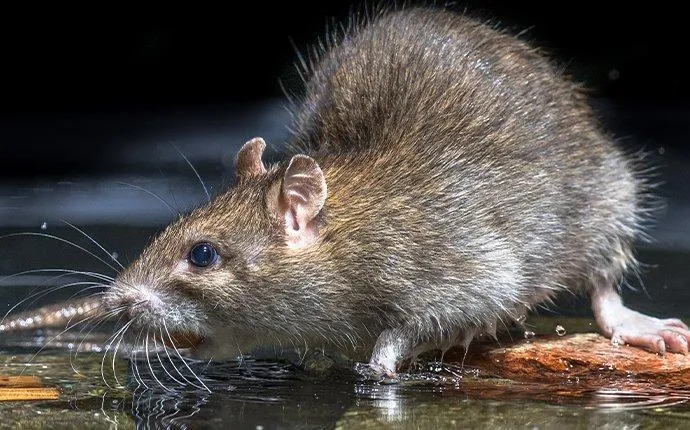
They can grow up to 9 ½ inches long and are brown with black scattered throughout and a gray to white belly with long, robust bodies and blunt muzzles.
-
Their tails are shorter than the length of their head and body.
-
They eat practically anything but have a preference for meat, fish, and cornmeal. Dog food is a Norway rat delicacy.
-
When nesting indoors, they prefer the ground floor or even lower. You can find rats in basements, sewers, and piles of debris or storage.
-
They can chew through pretty much anything, including plastic and lead pipes.
-
Norway rats are carriers for diseases like jaundice, rat-bite fever, cowpox virus, trichinosis, and salmonellosis. They can also carry disease-carrying fleas into the home and contaminate your food.
They can grow up to 9 ½ inches long and are brown with black scattered throughout and a gray to white belly with long, robust bodies and blunt muzzles.
Their tails are shorter than the length of their head and body.
They eat practically anything but have a preference for meat, fish, and cornmeal. Dog food is a Norway rat delicacy.
When nesting indoors, they prefer the ground floor or even lower. You can find rats in basements, sewers, and piles of debris or storage.
They can chew through pretty much anything, including plastic and lead pipes.
Norway rats are carriers for diseases like jaundice, rat-bite fever, cowpox virus, trichinosis, and salmonellosis. They can also carry disease-carrying fleas into the home and contaminate your food.
Having both mice and rats almost never happens, but mice are a substantial threat in their own right.
-
Grow to be up to 8 inches long including their tails, with rounded brown bodies and white underbellies.
-
They prefer insects, seeds, nuts, berries, and small fruit to eat.
-
When coming indoors, they will nest in outdoor shelters like cars, sheds, or garages, or in attics and basements.
-
They may also build nests in storage boxes, walls, drawers, and stuffed furniture.
-
Mice can transmit the potentially fatal hantavirus pulmonary syndrome through contact with a mouse carcass or breathing in urinary droplets.
Grow to be up to 8 inches long including their tails, with rounded brown bodies and white underbellies.
They prefer insects, seeds, nuts, berries, and small fruit to eat.
When coming indoors, they will nest in outdoor shelters like cars, sheds, or garages, or in attics and basements.
They may also build nests in storage boxes, walls, drawers, and stuffed furniture.
Mice can transmit the potentially fatal hantavirus pulmonary syndrome through contact with a mouse carcass or breathing in urinary droplets.
These two pests are dangerous as they can be damaging to your property, but the more important threats are to your health and the health of your loved ones.